Introduction
Perforated ulcers are a serious medical emergency. When an ulcer creates a hole in the stomach or intestine, it can cause severe pain and life-threatening problems. Because of this, emergency surgical intervention is often needed. If you notice signs of perforated ulcers, such as sudden stomach pain, you must seek help right away. Emergency ulcer surgery can save lives. Treatment for perforated stomach ulcers should never be delayed. Understanding the symptoms and steps for care can help you act quickly if needed.
What Are Perforated Ulcers?
Perforated ulcers happen when an open sore in the stomach or upper intestine breaks through the wall. This hole lets food, acid, and bacteria leak into the belly. As a result, infection and swelling can spread fast. This condition is very dangerous and always needs urgent medical care. Perforated ulcers are different from regular ulcers because they cause a hole, not just pain or discomfort.
Symptoms and Warning Signs
Recognizing the signs of perforated ulcers is important. Early action can save lives. Watch for these symptoms:
Sometimes, people may also notice a fast heartbeat or trouble breathing. If you or someone you know has these signs, seek emergency care right away.
Causes and Risk Factors
Many things can lead to perforated ulcers. However, some causes are more common than others. Here are the main reasons:
Older adults and people with other health problems are at higher risk. Because of this, they should be extra careful about ulcer symptoms.
How Perforated Ulcers Are Diagnosed
Doctors use several tests to find out if you have a perforated ulcer. First, they will ask about your symptoms and do a physical exam. Next, they may order imaging tests, such as:
Quick diagnosis is important. The sooner doctors find the problem, the better your chances of recovery.
Emergency Surgical Intervention: What to Expect
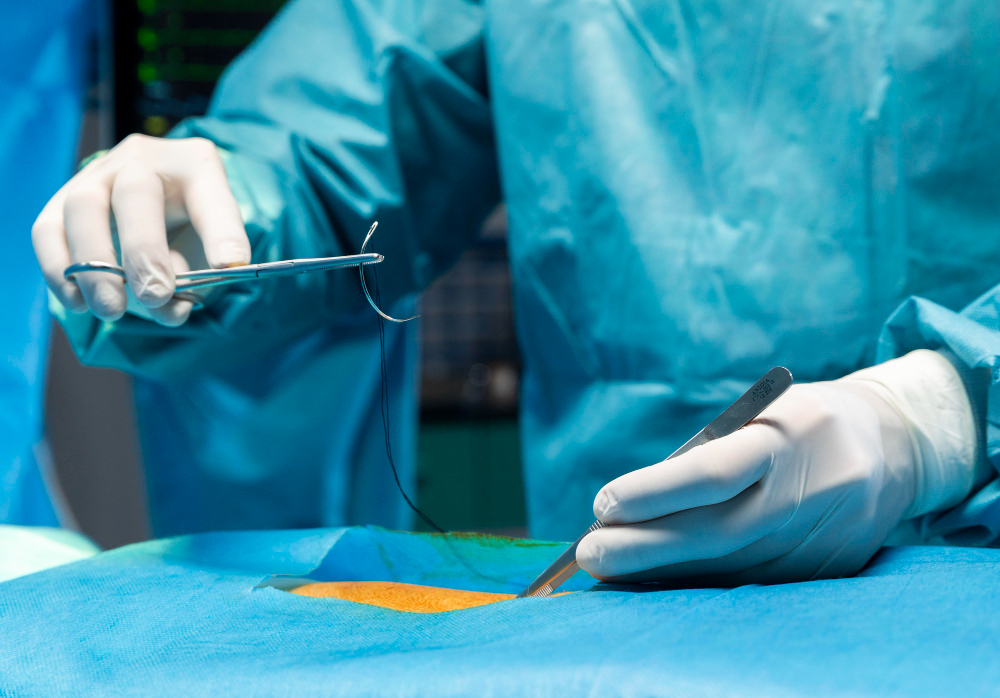
When a perforated ulcer is found, emergency surgery is usually needed. During the operation, the surgeon closes the hole and cleans the belly to prevent infection. Sometimes, a small piece of tissue is used to patch the ulcer. The surgery may be done through a large cut or with small tools and a camera (laparoscopic surgery). The choice depends on your condition and the surgeon’s advice. After surgery, you will stay in the hospital for close monitoring. Doctors will give you medicine to fight infection and manage pain. In some cases, you may need extra care if the infection is severe.
Recovery and Aftercare
After emergency ulcer surgery, recovery takes time. Most people stay in the hospital for several days. During this time, you will:
Once you go home, follow your doctor’s advice. Take all medicine as directed. Avoid smoking, alcohol, and painkillers unless your doctor says they are safe. Attend all follow-up visits to make sure you heal well.
Prevention Tips
While not all ulcers can be prevented, you can lower your risk. Try these tips:
If you have a history of ulcers, talk to your doctor about ways to protect your stomach. Early treatment can stop ulcers from getting worse.
Conclusion
Perforated ulcers are a life-threatening emergency, so recognising the warning signs and acting quickly is crucial. At Dr. Ajmere Liver & Gastro Clinic, emergency evaluation and timely surgical referral help prevent severe complications and save lives. Prompt medical attention at Dr. Ajmere Liver & Gastro Clinic ensures appropriate management and coordinated care.
If you suspect a perforated ulcer, seek immediate medical help and consult a gastroenterology specialist at Dr. Ajmere Liver & Gastro Clinic for personalised care.