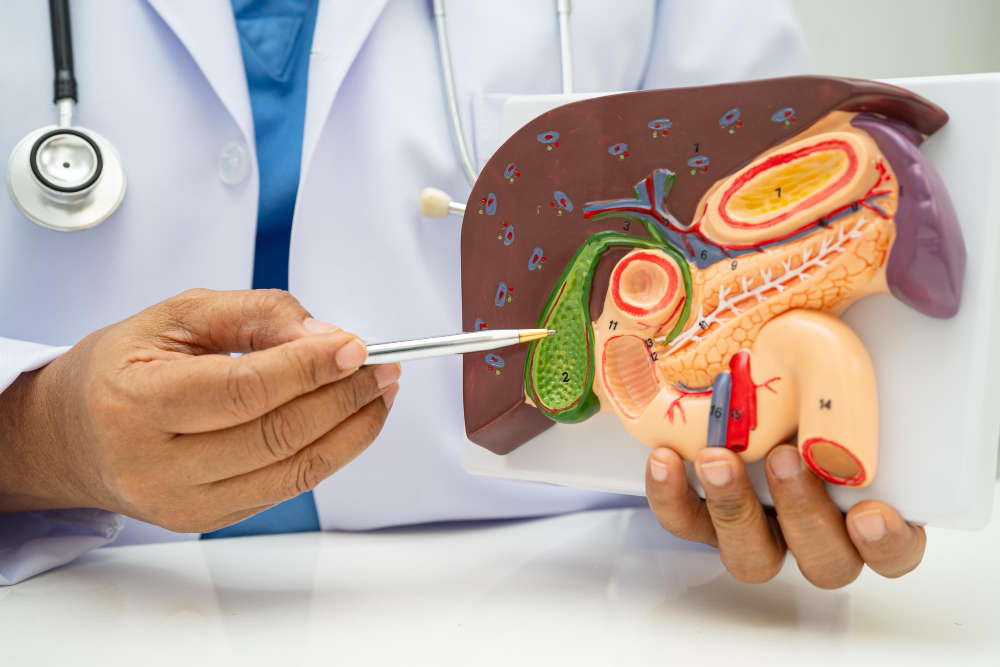
Many people wonder about gallbladder polyps and gallstones. Are they the same? More importantly, are gallbladder polyps as dangerous as gallstones? This blog will help you understand the differences, risks, and treatments. We will also discuss gallbladder health, gallbladder polyp risks, and gallstone complications. If you live in a city like New York or Los Angeles, knowing about these conditions can help you make better health choices.
What Are Gallbladder Polyps?
Gallbladder polyps are small growths that form on the inside lining of the gallbladder. Most polyps are not cancerous. In fact, many people have them and never know. Usually, they are found during an ultrasound for another reason. Some polyps are made of cholesterol, while others may be tissue growths. However, a very small number can turn into cancer. According to the World Health Organization (WHO), most gallbladder polyps are harmless.
What Are Gallstones?
Gallstones are hard lumps that form in the gallbladder. They are made from cholesterol or bile pigments. Unlike polyps, gallstones can block the flow of bile. This can cause pain or infection. Gallstones are much more common than polyps. The Centers for Disease Control and Prevention (CDC) notes that millions of people have gallstones, but not all have symptoms.
Symptoms and Detection
Often, both gallbladder polyps and gallstones do not cause symptoms. But sometimes, you may notice:
Still, many people discover these conditions during tests for other problems. For example, an ultrasound can show both polyps and stones. If you have symptoms, it is important to see a doctor.
Causes and Risk Factors
There are several causes and risk factors for both conditions. For gallbladder polyps, the main risks include:
For gallstones, the risks are slightly different. These include:
As you can see, some risk factors overlap. However, each condition has its own set of causes.
Diagnosis Methods
Doctors use several methods to find gallbladder polyps and gallstones. The most common is an ultrasound. This test uses sound waves to create pictures of your gallbladder. Sometimes, a CT scan or MRI may be needed. Blood tests can also help check for infection or liver problems. If you have symptoms, your doctor may suggest more tests to be sure.
Comparing Risks: Polyps vs. Gallstones
Now, let’s compare the risks. Gallstones can cause sudden pain, infection, or even block the bile duct. These problems can be serious and may need quick treatment. On the other hand, most gallbladder polyps do not cause harm. However, polyps larger than 1 centimeter may have a higher risk of cancer. For this reason, doctors watch large polyps closely. In summary, gallstones usually cause more problems than polyps, but large polyps need careful follow-up.
Treatment Options
Treatment depends on your symptoms and the size of the polyp or stone. For gallbladder polyps:
For gallstones:
Always talk to your doctor about the best treatment for you.
Prevention and Lifestyle Tips
While you cannot prevent all gallbladder problems, some steps can help. For better gallbladder health, try these tips:
These habits can lower your risk of both gallbladder polyps and gallstones.
When to See a Doctor
If you have pain in your upper right belly, yellow skin, or fever, see a doctor right away. Also, if you know you have a large gallbladder polyp or gallstones, regular check-ups are important. Early care can prevent serious problems.
In conclusion, gallbladder polyps are usually less dangerous than gallstones, but both require proper care. For personalized guidance on gallbladder health, consult a gastroenterologist at SURABHI HOSPITAL.