Introduction
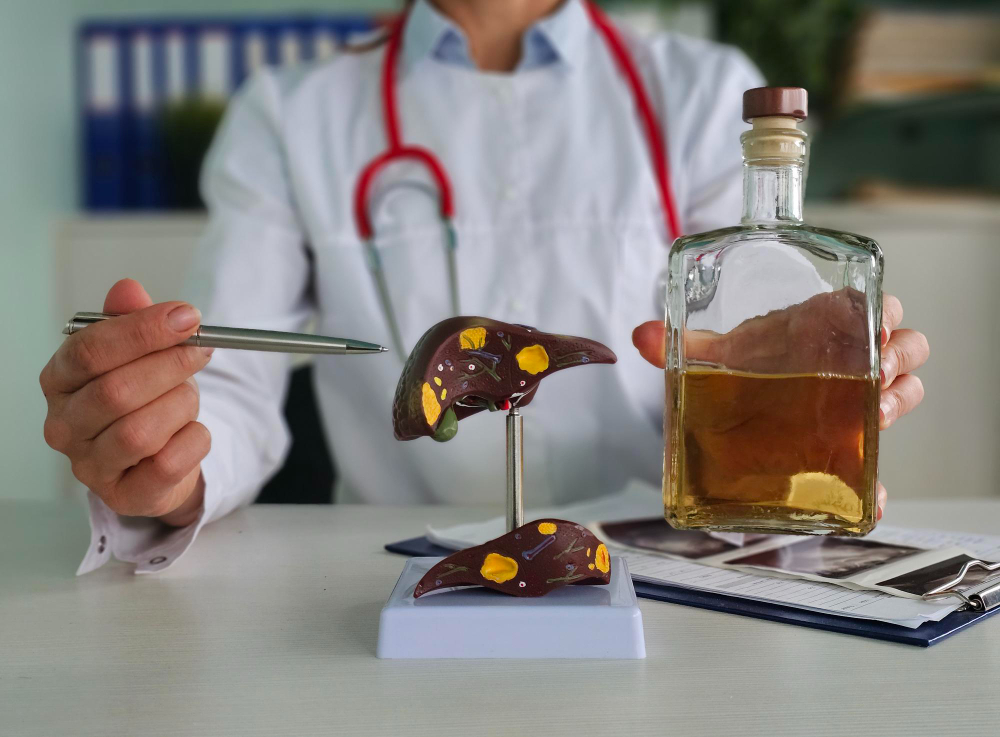
Alcohol can harm your liver in many ways. In the United States, alcohol-induced liver damage is a growing concern. Drinking too much can lead to fatty liver disease, alcoholic hepatitis, and even cirrhosis from alcohol. Each stage brings new risks to your liver health. Because the liver is vital, it is important to know how alcohol affects it. This blog explains the stages of liver disease, symptoms, diagnosis, and ways to prevent liver damage. Understanding these facts can help you make safer choices about alcohol consumption risks.
What Does the Liver Do?
Your liver is a large organ in your upper right belly. It has many important jobs. For example, it helps your body digest food and stores energy. In addition, the liver removes toxins, like alcohol, from your blood. It also makes proteins that help your blood clot. Because the liver works hard every day, keeping it healthy is very important.
How Alcohol Affects the Liver
When you drink alcohol, your liver breaks it down. However, too much alcohol can overload the liver. Over time, this can cause liver cells to swell and die. As a result, scar tissue may form. This scarring can stop the liver from working well. Even small amounts of alcohol can harm the liver if you drink often. Therefore, limiting alcohol is key to good liver health.
Stages of Alcohol-Related Liver Disease
Fatty Liver (Steatosis)
Fatty liver is the first stage of alcohol-related liver disease. In this stage, fat builds up in liver cells. Many people do not notice any symptoms. However, some may feel tired or have mild pain in the upper right belly. The good news is that fatty liver can often be reversed if you stop drinking alcohol. According to the CDC, this stage is very common among heavy drinkers.
Alcoholic Hepatitis
Alcoholic hepatitis is a more serious stage. Here, the liver becomes swollen and inflamed. You may notice symptoms such as:
Not everyone who drinks heavily will get alcoholic hepatitis. However, the risk increases with more alcohol use. This stage can be life-threatening if not treated.
Cirrhosis
Cirrhosis is the most severe stage of liver disease from alcohol. In this stage, the liver is full of scar tissue. Because of this, it cannot work well. Cirrhosis can cause serious problems, such as bleeding, infections, and even liver failure. Sadly, damage from cirrhosis cannot be reversed. However, stopping alcohol use can slow the disease and improve your quality of life.
Symptoms and Warning Signs
Early liver disease may not cause symptoms. However, as the disease gets worse, you may notice:
If you notice these signs, you should see a doctor right away. Early treatment can help prevent more liver damage.
Diagnosis and Medical Evaluation
Doctors use several methods to check for liver disease. For example, they may:
Because early diagnosis is important, regular check-ups can help catch problems sooner.
Treatment and Management Options
Treatment depends on the stage of liver disease. However, the most important step is to stop drinking alcohol. This can help prevent more damage and may even reverse early disease. Other treatments may include:
Your doctor will help you choose the best treatment for your needs.
Prevention and Lifestyle Tips
There are many ways to protect your liver from alcohol-induced damage. For example:
Because prevention is easier than treatment, making healthy choices now can protect your liver for years to come.
Conclusion
Alcohol can cause serious harm to your liver, from fatty liver to cirrhosis. However, you can lower your risk by making healthy choices and limiting alcohol use. If you have concerns about your liver health, do not wait. Consult a healthcare professional at SURABHI HOSPITAL for personalized advice on liver health and alcohol use.