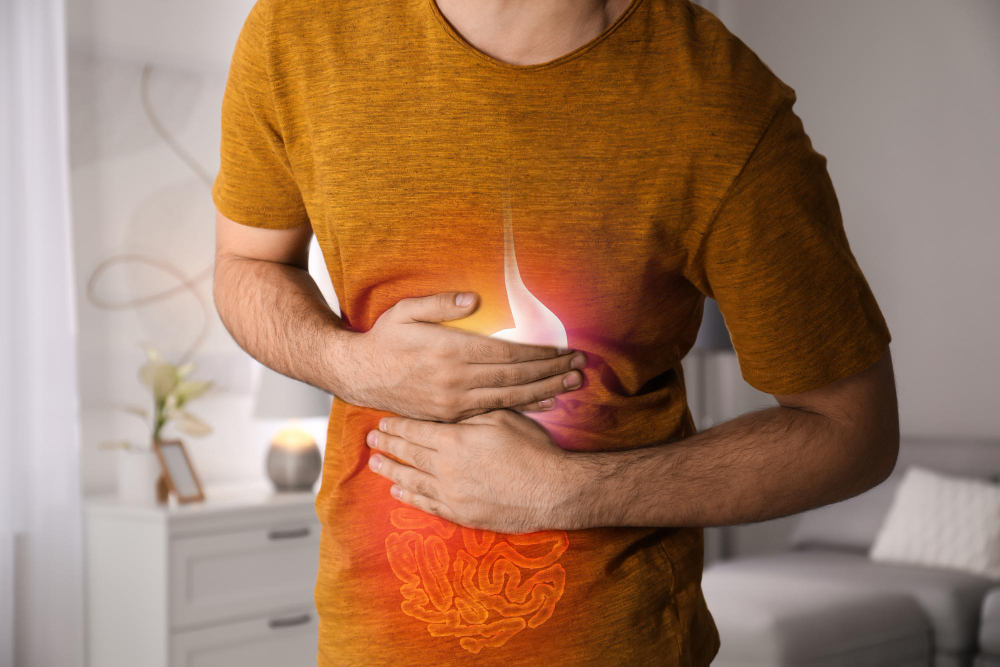
Peptic Ulcer Disease is a common health problem that affects many people worldwide. In the United States, many adults experience stomach ulcers each year. These ulcers are open sores that form in the lining of the stomach or the upper part of the small intestine. Because ulcer symptoms can be mild or severe, it is important to know what to look for. Early treatment can help prevent serious problems. In this blog, you will learn about Peptic Ulcer Disease, its causes, diagnosis, treatment options, and how to prevent peptic ulcers.
What is Peptic Ulcer Disease?
Peptic Ulcer Disease happens when open sores develop in the lining of the stomach or the first part of the small intestine. These sores are called ulcers. Usually, a thick layer of mucus protects the stomach lining. However, when this layer is damaged, stomach acid can cause sores. Stomach ulcers and duodenal ulcers are the two main types. Both can cause pain and other symptoms.
Common Symptoms
Many people with Peptic Ulcer Disease notice certain signs. However, some may have no symptoms at all. If you have any of the following, you should talk to your doctor:
Sometimes, symptoms can come and go. But if you notice any of these, especially blood in vomit or stool, seek help right away.
Causes and Risk Factors
There are several causes of Peptic Ulcer Disease. The most common are:
While anyone can get an ulcer, these risk factors make it more likely. According to the CDC and WHO, H. pylori infection is the leading cause worldwide.
Diagnosis Methods
Doctors use several methods to diagnose Peptic Ulcer Disease. First, they ask about your symptoms and medical history. Then, they may recommend tests such as:
Early diagnosis helps prevent serious problems like bleeding or a hole in the stomach wall.
Treatment Options
Treating Peptic Ulcer Disease depends on the cause. Most people get better with medicine. Common ulcer treatment options include:
Sometimes, ulcers can cause serious problems. In rare cases, surgery may be needed. However, most people heal with medicine and lifestyle changes.
Lifestyle Tips and Prevention
There are steps you can take to lower your risk of ulcers. Here are some tips on how to prevent peptic ulcers:
By following these tips, you can help protect your stomach and lower your risk of ulcers.
When to See a Doctor
It’s important to know when to seek medical help for peptic ulcer disease. You should see a doctor if you:
Early diagnosis and treatment can prevent serious complications such as bleeding or perforation.
If you experience any of these warning signs, don’t delay — consult Dr. Vaibhav Ajmere, an experienced gastroenterologist, for expert evaluation and personalised treatment for peptic ulcer disease. Take charge of your digestive health today.