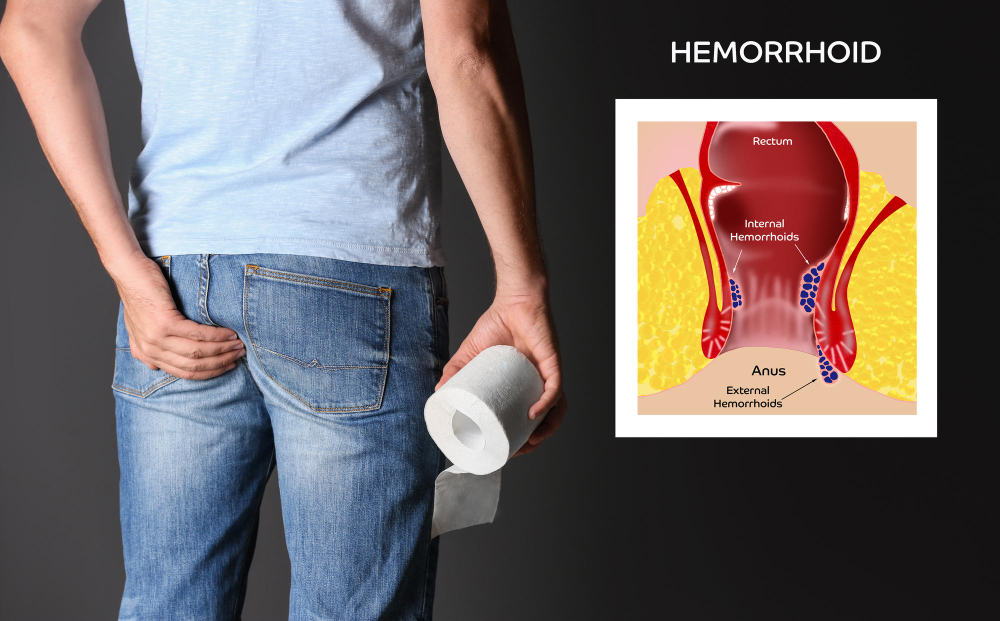
Hemorrhoids are swollen veins in the lower part of the rectum or anus. Many people experience hemorrhoids at some point in life. In fact, the CDC notes that about half of adults over age 50 have had them. While hemorrhoids can cause discomfort, they are usually not dangerous. However, knowing the signs, treatment for hemorrhoids, and ways of preventing hemorrhoids can help you manage this common issue. In this blog, we will cover hemorrhoid symptoms, causes, and the best ways to find relief.
What Are Hemorrhoids?
Hemorrhoids, also called piles, are swollen blood vessels in or around the anus and rectum. They can be internal (inside the rectum) or external (under the skin around the anus). Because these veins stretch under pressure, they may swell and cause pain or bleeding. Although anyone can get hemorrhoids, they are more common in adults over 50. Still, younger people can also develop them, especially if they strain during bowel movements.
Common Symptoms of Hemorrhoids
Hemorrhoid symptoms can vary, but some signs are more common than others. For example, you may notice discomfort or itching. Sometimes, bleeding can occur. Here are the most frequent symptoms:
However, not everyone with hemorrhoids will have all these symptoms. If you notice rectal bleeding, it is important to talk to a doctor to rule out other causes.
Causes and Risk Factors
Several factors can lead to hemorrhoids. Most often, increased pressure in the lower rectum causes veins to swell. Here are some common causes and risk factors:
Because these factors increase pressure in the rectal veins, they raise your risk for developing piles.
How Hemorrhoids Are Diagnosed
Doctors can usually diagnose hemorrhoids with a simple exam. First, your doctor will ask about your symptoms. Next, they may look at the area around your anus. Sometimes, a gentle finger exam or a small scope helps check for internal hemorrhoids. If you have rectal bleeding, your doctor may suggest more tests to rule out other problems. For example, a colonoscopy may be needed if you are over 50 or have other risk factors.
Effective Treatment Options
Many people find relief from hemorrhoids with simple treatments. For mild cases, home care is often enough. However, some cases may need medical help. Here are some common treatment options:
Because each case is different, your doctor can help choose the best treatment for you. If you are looking for hemorrhoid treatment in your city, many clinics offer both medical and surgical options.
Lifestyle Tips and Prevention
Preventing hemorrhoids is possible with a few healthy habits. Even if you have had piles before, these tips can help reduce your risk:
Because these steps keep stools soft and regular, they lower pressure on rectal veins. As a result, you are less likely to develop hemorrhoids.
When to See a Doctor
Most hemorrhoids improve with home care. However, you should see a doctor at SURABHI HOSPITAL if:
Because other conditions can cause similar symptoms, it is important to get a proper diagnosis. Early treatment at SURABHI HOSPITAL can help prevent complications.
Consult a healthcare professional at SURABHI HOSPITAL for personalized advice on hemorrhoids.